

Getting over a breakup is one of the most emotionally challenging experiences you’ll face, but healing is entirely possible with the right approach. Whether you’re dealing with the raw pain of a fresh split or struggling to move on months later, understanding the recovery process can help you reclaim your sense of self. If you’re wondering what to do after a breakup, you’re in the right place. This guide walks you through everything you need to know about healing from heartbreak, from managing the initial shock to rebuilding your identity and opening yourself up to future happiness.
Why Breakups Hurt So Much
Breakups hurt on a deep, primal level. It’s not just in your head. When you’re in a relationship, that person becomes a huge part of your daily life and your sense of self. Your routines, your inside jokes, and your future plans all revolve around them. When the relationship ends, it leaves a void—an identity gap. You’re suddenly forced to ask, “Who am I without them?”
This isn’t just an emotional experience; it’s a neurological one. Brain imaging studies have shown that the part of our brain that processes the pain of social rejection is the same part that processes physical pain. That feeling of being punched in the gut? Your brain is treating it like a real, physical injury. You lose a source of meaning, a piece of your identity, and your brain signals an alarm that something is genuinely wrong.

How Long Does It Take to Get Over a Breakup?
This is the question everyone asks, but there’s no single answer. Healing isn’t a passive waiting game; it’s an active process. However, we can look at some general timelines based on the relationship’s length and intensity.
- Mini-breakups (under 9 months): Healing often takes 1-3 months. These relationships didn’t have as much time to fully integrate into your identity, making the separation process a bit quicker.
- Mid-breakups (9 months – 2 years): Expect a healing period of 3-6 months. The habits and connections are deeper, requiring more time to untangle.
- Big breakups (3-10+ years): These can take 6-12 months or longer to process. When you’ve spent years with someone, your lives are completely intertwined. Learning how to get over a long term relationship is a marathon, not a sprint.
Remember, these are just estimates. Factors like who initiated the split, your support system, and how you actively cope will significantly influence your personal timeline.
The Five Stages of Breakup Grief
Just like any other major loss, a breakup triggers a grieving process. You might recognize these five stages, but don’t worry if you bounce between them. It’s not a straight line.
- Denial: This is the initial shock. You might think, “This can’t be happening,” or hold onto hope that you’ll get back together.
- Anger: Once the shock wears off, you might feel anger toward your ex, the situation, or even yourself. This is a necessary step to start releasing pent-up emotions.
- Bargaining: Here, you’ll find yourself thinking in “what ifs” and “if onlys.” You might try to negotiate with your ex or a higher power to reverse the outcome.
- Depression: This stage is marked by deep sadness and emptiness as the reality of the loss sets in. It feels heavy, but it’s a crucial part of processing the pain.
- Acceptance: This isn’t about suddenly being happy. It’s about acknowledging the reality of the breakup and understanding that you will be okay. You can start to look toward the future without the weight of the past.
Step 1: Implement the No Contact Rule
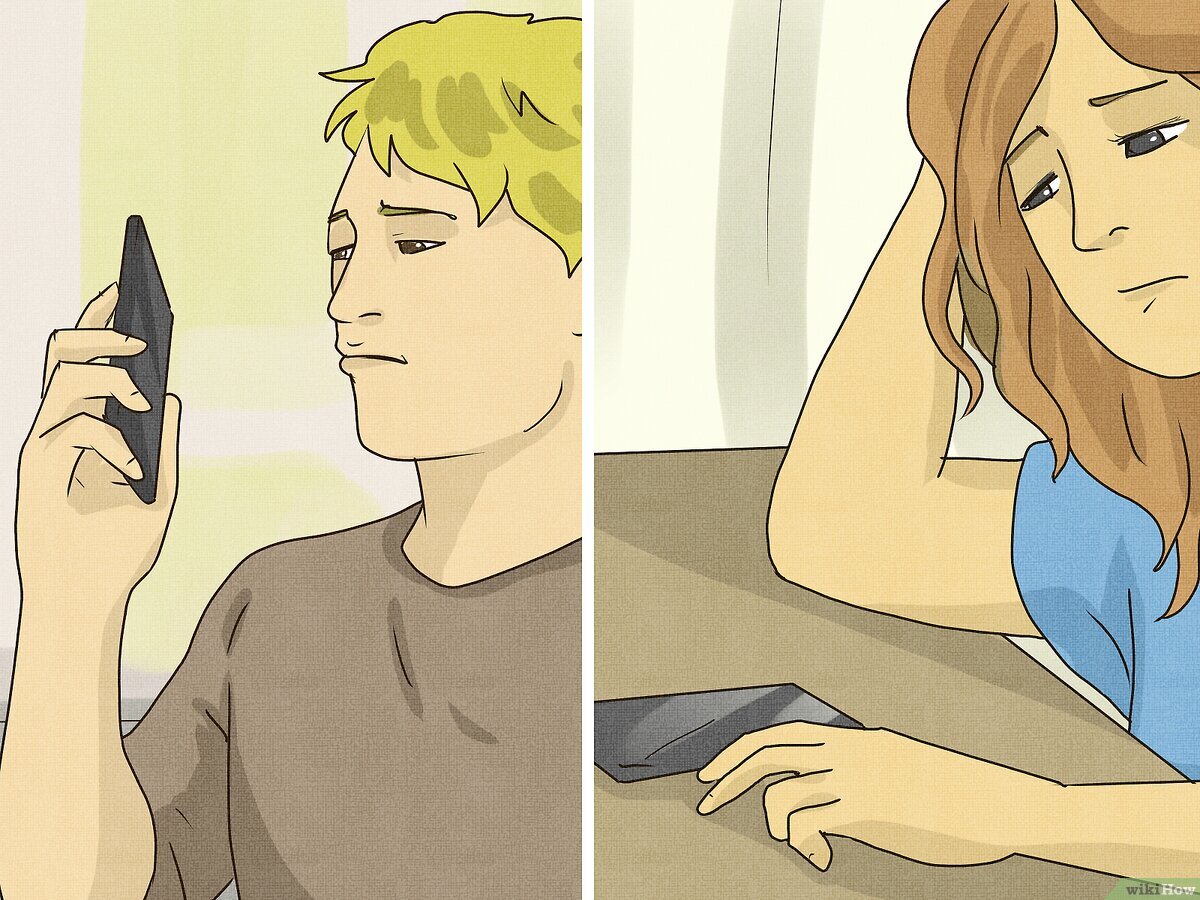
The No Contact Rule is exactly what it sounds like: cutting off all communication with your ex. This is not a tactic to win them back; it’s a strategy to reclaim your peace and create space for healing. It means no calls, no texts, no checking their social media, and no asking mutual friends about them. Aim for a minimum of 30-60 days. For toxic relationships, it should be indefinite.
Why is this so critical? Every time you interact with your ex, you reopen the emotional wound and reset the healing clock. It keeps you attached and prevents you from finding closure on your own terms.
Setting Healthy Boundaries
To make no contact work, you need firm boundaries. Block their number and social media profiles—this removes the temptation. If you have to interact because of kids or work, keep conversations brief, polite, and strictly about the necessary logistics. Tell your friends you don’t want updates on your ex. When you feel the urge to break the rule, call a friend, go for a walk, or write your feelings in a journal instead.
Step 2: Allow Yourself to Feel Your Emotions
It’s tempting to numb the pain with distractions, but you can’t heal what you don’t feel. Suppressing your emotions only postpones the inevitable and can lead to bigger problems later on. Give yourself permission to be a mess. Cry when you need to. Be angry. Feel the emptiness.
Healthy ways to process these feelings include journaling, talking with a trusted friend, or seeking therapy. The goal isn’t to wallow, but to sit with your emotions without judgment. Acknowledge them, feel them, and let them pass through you. It’s uncomfortable, but it’s the only way to the other side.
Step 3: Build a Self-Care Routine
When your world feels chaotic, a routine can be your anchor. Think of self-care in three pillars:
- Activities that bring joy: Re-engage with hobbies you love or try something new.
- Activities that nurture your body and mind: Focus on sleep, nutrition, and movement.
- Activities that help process feelings: Journaling, therapy, or meditation.
Create small morning and evening rituals. Maybe it’s a 10-minute stretch in the morning or reading a book before bed. These simple, consistent actions provide stability when you need it most.
Physical Self-Care
Your mind and body are connected. When you feel awful emotionally, basic physical care can feel impossible, but it’s essential. Make sure you’re eating nourishing meals, getting enough sleep, and moving your body. Exercise is especially powerful; it releases endorphins that act as natural mood lifters. You don’t have to run a marathon. A simple walk in nature can make a world of difference.
Mental and Emotional Self-Care
This is about tending to your inner world. Practices like meditation and mindfulness can help you break free from obsessive thoughts. Therapy or support groups provide a safe space to navigate complex emotions. Seeking professional help is a sign of strength, especially for breakups that feel particularly traumatic or complicated.
Step 4: Stop the Obsessive Thinking Cycle
Replaying memories, analyzing what went wrong, and thinking about your ex constantly is normal—your brain is trying to make sense of the loss. But getting stuck in this loop is draining. To break the cycle, try a few things.
When a thought about your ex pops up, acknowledge it and then gently redirect your attention to something else. You can also try scheduling a “worry time”—give yourself 15 minutes a day to think about it, and then consciously move on. Engaging in an activity that requires your full concentration, like a puzzle or learning a new skill, can also give your brain a much-needed break.

Step 5: Let Go of Fantasies and See the Relationship Clearly
After a breakup, it’s easy to put the relationship on a pedestal. We remember the good times and forget the frustrations and incompatibilities that led to the split. This idealization keeps you stuck. Take a moment to write down an honest list of the pros and the cons of the relationship. Acknowledge the things that didn’t work. Accepting that the relationship ended for valid reasons is a key step in moving on.
Kill the Self-Blame Narrative
It’s common to blame yourself, especially if you didn’t get a clear reason for the breakup. Our brains hate ambiguity, so they often fill in the blanks with negative self-talk. The truth is, most relationships don’t end because one person did something wrong. They end because two people are something wrong for each other. It takes two people to make a relationship work, and it takes two people for it to end. Let go of the need to find a single person to blame.
Step 6: Create Your Own Closure
Many of us believe we need that one final conversation with our ex to get closure. The reality is, closure isn’t something someone else gives you; it’s something you create for yourself. Waiting for an apology or an explanation from your ex keeps you powerless.
To create your own closure, write a letter to your ex with everything you want to say—and then don’t send it. Reflect on the lessons you’ve learned. What did this relationship teach you about yourself and what you need in a partner? Acceptance is the ultimate form of closure. It’s accepting that you may never have all the answers, and that’s okay.
Step 7: Rediscover and Rebuild Your Identity
Now is the time to shift the focus back to you. Who were you before the relationship? What passions did you set aside? Rebuilding your identity is about reconnecting with yourself and remembering that you are a whole person on your own. This can be one of the most empowering parts of the healing process, especially when you’re figuring out how to deal with a breakup alone.
Reconnect with Your Passions
Make a list of things you’ve always wanted to try or hobbies you used to love. Take that pottery class, join a hiking group, or start learning a new language. Filling your time with activities that make you feel engaged and alive is crucial for building a new, fulfilling life that doesn’t revolve around a partner.
Build Your Support Network
Lean on your friends and family. Your connections with people who love you are vital right now. They remind you of your worth and provide a sense of belonging. While it’s important to have people you can vent to, also make sure to cultivate experiences with them that are focused on the present and future. Overcoming the feeling of feeling lonely after a breakup is easier when you invest in your platonic relationships.
Common Breakup Mistakes to Avoid
Healing is an active process, and certain actions can set you back. Being aware of the most common pitfalls can help you navigate this time more smoothly. For a deeper dive, check out this guide on things not to do after a breakup.

- Trying to be friends too soon. It rarely works while feelings are still raw.
- Jumping into a rebound relationship. Using someone else to avoid your pain is unfair to them and unhealthy for you.
- Obsessively checking their social media. It’s like picking at a scab and will only prolong your suffering.
- Trying to make them jealous. This is a short-term ego boost that ultimately leaves you feeling empty.
Signs You’re Healing and Moving Forward
Healing isn’t a destination; it’s a journey with ups and downs. How do you know you’re making progress? Look for these signs:
- You think about your ex less often.
- When you do think of them, the emotional charge is weaker.
- You’re starting to feel genuine excitement about your own future.
- You feel more comfortable and confident being single.
- You can look back on the relationship as a learning experience, not just a failure.
Healing from a breakup takes time, patience, and a lot of self-compassion. Be gentle with yourself through the process. Remember that this pain is temporary, and every step you take to care for yourself is a step toward a brighter, stronger future. For more thoughts on wellness and personal growth, you can always find me at www.notonetype.org.

Có thể bạn quan tâm
How to Be a Better Wife: Practical Ways to Strengthen Your Marriage
Being a wife is a role that evolves. Some days it feels natural, and other...
Dec
Essential Advice for Building a Strong, Lasting Relationship
Building a relationship that lasts takes more than just love—it requires consistent effort, open communication,...
Dec
How to Deal with an Angry Partner: Effective Strategies for a Healthier Relationship
Dealing with a partner who frequently expresses anger can feel overwhelming. It’s emotionally draining. Whether...
Dec
How to Deal with Relationship Stress: 7 Proven Ways
Relationship stress affects nearly every couple at some point, causing tension, communication breakdowns, and emotional...
Dec
How to Rebuild Trust in a Relationship: A Step-by-Step Guide
Rebuilding trust after it’s been broken can feel like trying to glue a shattered vase...
Dec
How to Fix a Broken Marriage: 12 Proven Steps to Reconnect
Fixing a broken marriage is possible when both partners commit to the process, even when...
Dec