
Hey there. If you’ve ever felt like your mind is a browser with way too many tabs open, you’re in the right place. Let’s talk about meditation. At its core, meditation is a simple practice that trains your mind to focus and find a sense of calm. Think of it as a workout for your brain. While it has ancient roots in spiritual traditions, today it’s a practical tool anyone can use to handle stress, think more clearly, and just feel better overall. Whether you’re curious about different types of meditation or just want a moment of peace, this guide is for you.
Understanding Meditation
So, what is meditation? Simply put, it’s a practice where you use a technique – like focusing on your breath or a specific object – to train attention and awareness, and achieve a mentally clear and emotionally calm state. It’s not about forcing your thoughts to stop or achieving some mystical, blank-mind state. That’s a huge misconception. Your mind is supposed to think; that’s its job. Meditation is about learning to observe those thoughts without getting carried away by them.
The practice has evolved over thousands of years, but its goal remains largely the same: to connect with the present moment and cultivate a sense of inner peace.

The Core Elements of Meditation Practice
Every meditation technique is built on a few key elements that work together:
- Relaxation: This is the starting point. It involves letting go of physical tension in your body. When your body is calm, your mind is more likely to follow.
- Focus: This is where you gently direct your attention to one thing. It could be the sensation of your breath, a sound, a candle flame, or a repeated word (mantra). This focus point acts as an anchor for your wandering mind.
- Awareness: This is the game-changer. It’s the practice of noticing your thoughts, feelings, and bodily sensations without judging them. You just observe them as they come and go.
These three pillars help create the meditative state. You relax your body, focus your mind, and become aware of your inner world without criticism.
How Meditation Works in the Brain
You don’t need to be a neuroscientist to get this, but it’s cool to know what’s happening upstairs. When you meditate regularly, you’re literally reshaping your brain. Studies have shown changes in areas like:
- The prefrontal cortex, which is linked to decision-making and attention, can become thicker.
- The amygdala, the brain’s “fight or flight” center, can shrink. This means you might react less intensely to stress.
- The hippocampus, involved in memory and learning, can increase in gray matter density.
Essentially, you’re strengthening the neural pathways for focus and calmness while weakening the ones for stress.
Types of Meditation Practices
There isn’t a “one-size-fits-all” approach to meditation. The best type is the one that works for you. Let’s look at a few common styles.
Mindfulness Meditation
This is probably the most popular form in the West, thanks to pioneers like Jon Kabat-Zinn and his Mindfulness-Based Stress Reduction (MBSR) program. Mindfulness meditation is the practice of paying attention to the present moment on purpose and without judgment, and it also helps people understand what is mindfulness in a practical, approachable way. You might focus on your breath, the sounds around you, or the sensations in your body. When your mind wanders (which it will!), you simply notice it and gently guide your attention back.
Focused Attention Meditation
As the name implies, this practice centers your attention on a single point of focus — whether it’s your breath, a mantra, or even the flame of a candle. It’s designed to strengthen your ability to stay focused, especially if your mind tends to wander. The aim is to train your concentration: whenever you notice your thoughts drifting, you simply guide them back to your chosen anchor. Over time, this becomes a powerful way to build mental discipline.
Body Scan and Progressive Relaxation
If you hold a lot of tension in your body, this one’s for you. In a body scan meditation, you bring your awareness to different parts of your body, one by one, from your toes to the top of your head. You notice any sensations—warmth, tingling, tightness—without trying to change them. It’s fantastic for improving your mind-body connection.
Loving-Kindness Meditation (Metta)
This practice is all about cultivating compassion. You silently repeat phrases and well-wishes for yourself and others. It usually starts with yourself (e.g., “May I be happy. May I be healthy.”), then extends to loved ones, neutral people, and eventually even people you find difficult. It’s a beautiful way to foster feelings of kindness and connection.
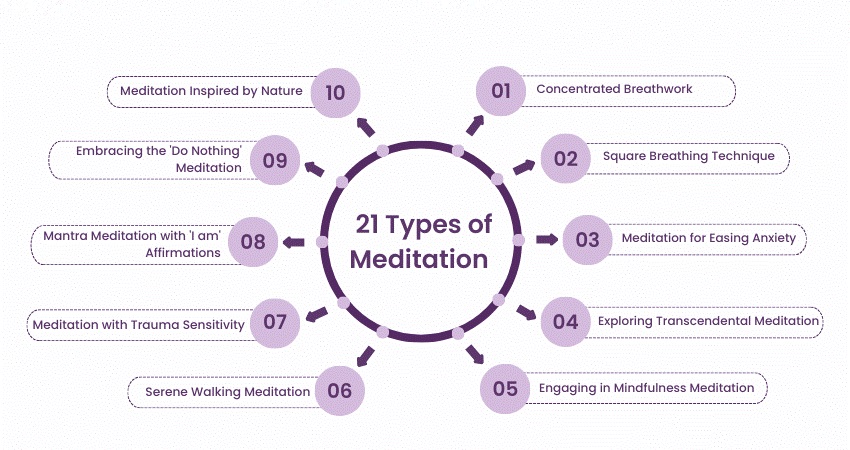
Movement-Based Meditation
For those who can’t sit still, this is a great option. Practices like walking meditation, yoga, and tai chi combine gentle movement with mindful awareness. Instead of focusing on the physical exercise, the goal is to pay attention to the sensations of your body as it moves.
Benefits of Meditation
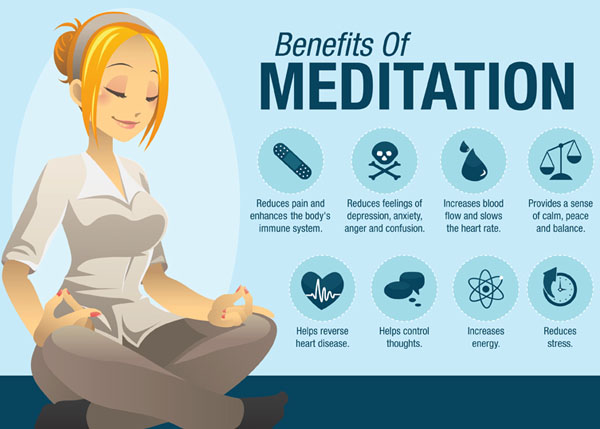
The benefits aren’t just a feeling; they’re backed by a lot of research. Consistent practice can lead to some pretty significant improvements in your life.
Mental and Emotional Benefits
- Reduced Stress and Anxiety: This is the big one. Meditation helps calm the nervous system and lower cortisol (the stress hormone), making it an excellent tool for stress management in your daily life.
- Improved Emotional Regulation: It creates a small pause between a trigger and your reaction, giving you the space to respond more thoughtfully.
- Enhanced Self-Awareness: You get to know your own thought patterns and emotional habits on a deeper level.
- Better Mood: Regular practice can boost positive emotions and resilience.
Cognitive and Focus Benefits
- Longer Attention Span: Like any muscle, your ability to focus gets stronger with training.
- Improved Memory: It has been shown to improve working memory.
- Mental Clarity: By decluttering your mind, you can think more clearly and make better decisions.
Physical Health Benefits
- Lower Blood Pressure: The deep relaxation involved can help reduce hypertension over time.
- Improved Sleep: Many people find meditation helps them fall asleep faster and enjoy deeper rest.
- Reduced Pain: Mindfulness can change your relationship with chronic pain, making it more manageable.
Social and Relationship Benefits
- Increased Empathy and Compassion: Practices like loving-kindness meditation directly foster these qualities.
- Improved Relationships: When you’re more self-aware and less reactive, your interactions with others tend to become smoother and more positive, supporting healthier connections and even contributing to better overall work life balance.
How to Start Meditating: A Beginner’s Guide
Getting started is simpler than you think. You don’t need any special gear or beliefs. All you need is a few minutes and a willingness to try.
Choosing Your First Meditation Technique
Don’t overthink this. I recommend starting with either a simple breath awareness meditation or trying a guided meditation for beginners. Guided sessions are great because someone else’s voice walks you through the whole process, so you don’t have to worry about what to do next.
Setting Up Your Meditation Space
Find a quiet spot where you won’t be interrupted for a few minutes. It doesn’t have to be a special room. A corner of your bedroom or even a chair in the living room works perfectly. The key is comfort and minimal distractions.
Basic Meditation Posture and Position
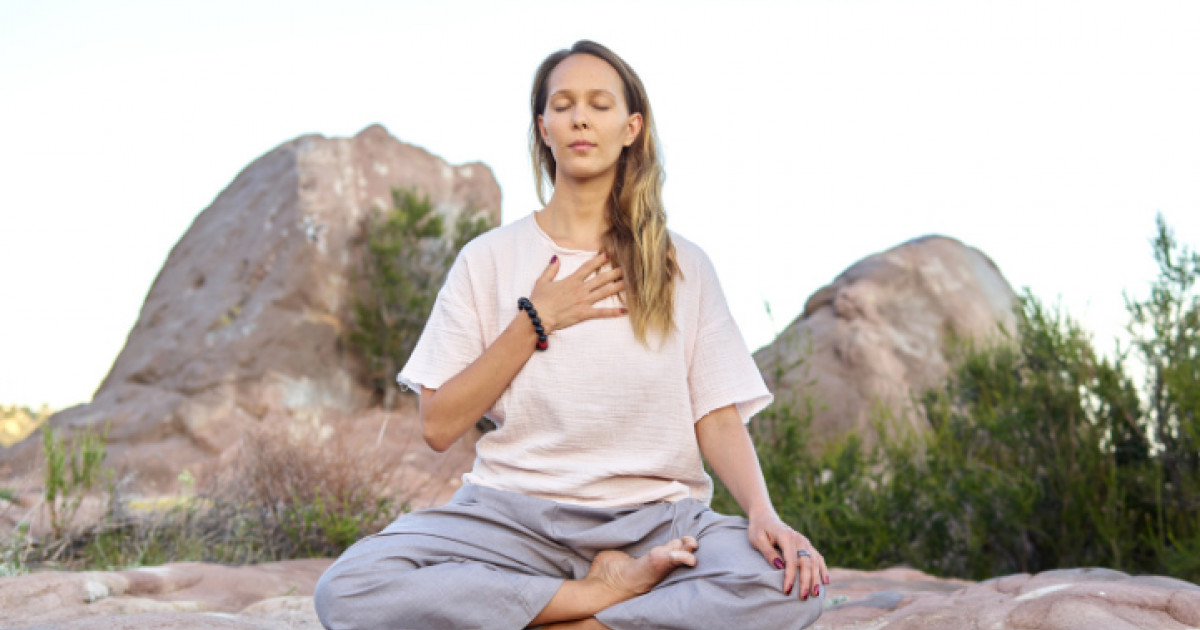
Comfort is the most important thing. You want a posture that is both alert and relaxed. For a deep dive, you can learn more about how to sit for meditation, but here are the basics:
- Sit in a chair: Keep your feet flat on the floor and your back straight but not stiff.
- Sit on a cushion: Cross your legs comfortably in front of you. A cushion helps lift your hips so your knees can rest lower, preventing back strain.
- Keep your spine upright, relax your shoulders, and let your hands rest on your lap.
Your First Meditation Session
Ready? Let’s try a simple 5-minute session.
- Settle in: Find your comfortable seat and set a timer for 5 minutes.
- Breathe: Close your eyes and take three deep breaths, in through your nose and out through your mouth.
- Find your anchor: Let your breath return to its natural rhythm. Just bring your attention to the feeling of the breath entering and leaving your body. Notice where you feel it most—in your nose, your chest, or your belly.
- Notice the mind wander: Sooner or later, your mind will drift off. You’ll think about your to-do list, a conversation, or what to eat for lunch. This is 100% normal.
- Gently return: The moment you notice your mind has wandered, gently and without judgment, guide your attention back to your breath. That’s the entire practice.
- End the session: When your timer goes off, slowly bring your awareness back to the room and open your eyes.
Building a Consistent Practice
Consistency is far more important than duration. It’s better to meditate for 5 minutes every day than for 30 minutes once a week. Try linking it to an existing habit, like right after you brush your teeth in the morning. And if you miss a day, just start again the next. No big deal.
Common Meditation Challenges and Solutions
Everyone hits a few bumps in the road. It’s part of the process.
Dealing with a Wandering Mind
Let’s be clear: a wandering mind is not a sign of failure. It’s a sign that you have a human brain. The practice isn’t about having zero thoughts; it’s about the gentle act of returning your focus, again and again. Be kind to yourself.
Managing Physical Discomfort
If you feel pain, adjust your position. Don’t force yourself to endure it. Try a different chair, add more cushions, or do some gentle stretches before you start. Meditation shouldn’t hurt.
Overcoming Sleepiness During Practice
It’s common to get sleepy, especially if you’re tired. If this happens, you can try meditating with your eyes slightly open, sitting more upright, or practicing earlier in the day. If you’re still struggling, our guide on how to not fall asleep during meditation has more tips.
Meditation Tools and Resources
While you only need your mind, some tools can be helpful.
- Meditation Apps: Apps like Calm, Headspace, or Insight Timer (which has a great free library) offer thousands of guided meditations.
- Guided Meditations: You can find free guided sessions on YouTube and Spotify. These are perfect for beginners.
- Meditation Cushions: A proper cushion (zafu) can make sitting on the floor much more comfortable, but a firm pillow from your couch works too.
Frequently Asked Questions (FAQs)
How long should I meditate as a beginner?
Start with just 5-10 minutes a day. Consistency is the goal. Once that feels easy, you can gradually increase the time if you’d like.
What should I think about during meditation?
You don’t need to think about anything specific. The idea is to focus on your chosen anchor (like your breath) and simply notice when your thoughts drift away, then gently bring your focus back. Thinking is normal; the practice is in the returning.
Can I meditate lying down?
Yes, you can, and it’s a great option for body scans or if sitting is uncomfortable. The only downside is that it’s much easier to fall asleep. If your goal is to stay alert, sitting is usually better. If you want to relax before sleep, check out our tips on if you can meditate lying down.
How long does it take to see benefits from meditation?
It varies for everyone. Some people feel a bit calmer after their very first session. More significant benefits, like reduced stress and better focus, often become noticeable after a few weeks of consistent daily practice.
Do I need to be religious or spiritual to meditate?
Absolutely not. While meditation is a part of many spiritual traditions, it can be practiced as a completely secular tool for mental fitness and well-being. No beliefs required.
What’s the difference between meditation and mindfulness?
Mindfulness is a quality of awareness—paying attention to the present moment. Meditation is the formal practice you do to cultivate that quality. You can bring mindfulness to any activity, like washing the dishes, while meditation is the dedicated time you set aside to train your mind.
Is it normal for meditation to feel uncomfortable or boring?
Yes, totally normal. Our minds are used to constant distraction and entertainment. Sitting in silence can feel strange at first. Boredom or restlessness is often a sign that the practice is working—you’re learning to be with yourself exactly as you are. It gets easier with practice.
I hope this guide has demystified meditation for you. It’s a simple, powerful practice that’s available to you anytime, anywhere. Give it a try, be patient, and see where it takes you. For more insights on wellness and finding balance, feel free to explore more on www.notonetype.org.

Có thể bạn quan tâm
Morning Meditation Guide: How to Start Your Day with Mindfulness
Starting your day with morning meditation can completely change your mental clarity, reduce stress, and...
Dec
How to Sit for Meditation: 7 Positions & Posture Guide (2025)
Finding the right way to sit for meditation can feel like the first big hurdle....
Dec
Meditating on the Breath: A Complete Guide to Breath-Focused Meditation
Meditating on the breath is one of the simplest and most accessible forms of what...
Dec
How to Stay Awake During Meditation: Simple Techniques That Work
It’s a familiar story. You settle onto your cushion, ready for a session of peace...
Dec
Can You Meditate Lying Down? A Complete Guide
Let’s clear this up right away: you absolutely can meditate lying down. If you’ve ever...
Dec
Can You Meditate With Music? Benefits & How-To Guide
Meditation comes in many forms, and the question of whether you can meditate with music...
Dec